Set It and Forget It: The Power of Automating Your Savings and Investments
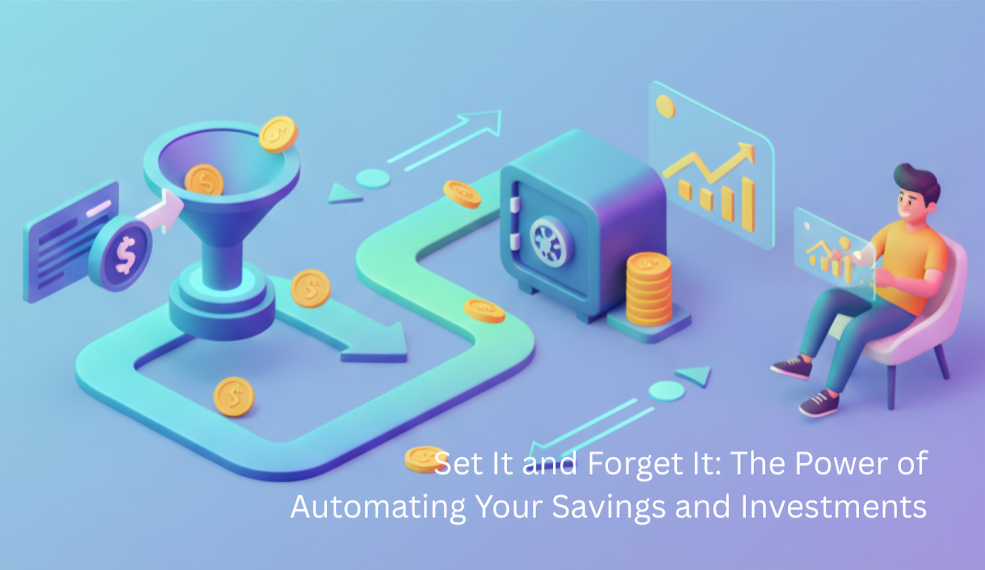
Do you ever wonder where your paycheck goes? It seems to disappear too quickly every month. We often try to save money but struggle to be consistent. This is a very common financial problem today. You are certainly not alone in this struggle.
Fortunately, there is a simple and powerful answer. It is called financial automation. Automation means setting up processes that run by themselves. This simple step can change your financial life forever.
This post will show you how to automate your savings and investments completely. You can build wealth without requiring daily effort. This smart system makes your money work hard for you. It removes the stress of managing things constantly. Automation is the key to guaranteed financial success.
The Problem with Manual Saving
Many people rely on manual transfers for saving money. They decide to move cash only after all the bills are paid. However, this method is often highly unreliable. We sometimes forget to move money on time. Other times, we decide to spend the money instead. Maybe a big sale or an impulse purchase gets in the way.
Willpower is simply not strong enough for long-term success. Your busy daily life often gets in the way of saving. It is easy to put off saving until tomorrow. Therefore, the money stays in your checking account. It is ready and waiting to be spent accidentally.
Manual saving adds something called financial friction. This means you must actively think and act. You have to remember to log into your bank. You must manually move the funds yourself. Every single month, you face the same hard decision. This constant effort is mentally tiring and draining. Consequently, saving quickly becomes a chore instead of a good habit. We need a much better system to beat this common problem.
Many traditional budgeting ideas are actually very good on paper. Yet, they often fail because of human inconsistency. We start strong but lose momentum quickly. Automation is the missing piece for these plans. It turns your financial goals into guaranteed actions.
Understanding Financial Automation
In short, financial automation is setting up automatic actions. Your bank or payroll department does the work for you. Money moves from one account to another automatically. You only need to set the rules one single time. Then, the system handles everything else without error.
Automation rests upon two primary pillars. First, you must automate your short-term savings. This is money going into your emergency fund. This money protects you from surprises. Second, you must automate your investments. This money builds your long-term wealth.
Moreover, both of these actions should happen on the same day. This is usually the day you receive your paycheck. The money is moved before you even see it.
This effective strategy is often called “Pay Yourself First.” You fund your future goals first. This happens before paying all other bills. Consequently, saving is treated exactly like any other bill. It becomes a fixed, non-negotiable monthly expense. You must learn to budget around the remaining amount of money. Thus, you cannot accidentally spend your essential savings money.
This system takes all the emotion out of saving. It ensures you never miss a savings target.
Step-by-Step Guide to Automating Savings
Setting up your automation system is simple. It only requires a few focused hours of work. Follow these four clear steps to start automating today.
Step 1: Set Your Targets
First of all, you need to know your exact numbers. Figure out the amount you need to save monthly. This amount should feel challenging but still realistic. Start with a percentage of your income if you can. For example, aim to save 10% or 15% of every paycheck. Likewise, determine all your fixed monthly expenses first. You need to know exactly where your money goes. Use an effective expense tracking app to get accurate data. Knowing your cash flow is critical for this step.
Step 2: Split Your Paycheck
Next, contact your company’s Human Resources department. Ask them to split your direct deposit. Send a portion directly to your dedicated savings account. This is the amount you decided in Step 1. The rest of the money should go into your main checking account. If this is not possible, set up a simple recurring transfer. Schedule it for one day after your usual payday. Your bank can easily handle this recurring transfer. The money is moved before you have a chance to spend it.
Step 3: Create Separate Accounts
Furthermore, open new, separate accounts right away. You need a dedicated high-yield savings account for emergencies. You also need another account for future goals. These goals might include a house down payment or a new car. Labeling these accounts helps with clarity and focus. Therefore, the money has a specific job to do clearly. Never mix your precious savings with your daily spending money. This separation prevents any temptation to spend it.
Step 4: Automate Bill Payments
In addition, automate your regular monthly bill payments. Set up auto-pay for utilities, rent, and loan payments. This removes the risk of costly late fees entirely. It also makes your monthly cash flow highly predictable. You always know exactly how much money remains. Ultimately, you reduce the number of financial decisions you make daily. Less friction means greater consistency in your financial plan.
Automating Long-Term Investment
Building long-term financial wealth is the second essential step. This step is just as important as saving. For many people, this means a 401(k) or similar plan at work. This is usually automated right from your first paycheck. Make sure you are contributing enough to get the company match. This matching money is free money for your future. Similarly, set up automatic transfers to a Roth IRA or brokerage account.
Automation uses a very powerful strategy for investing. It is called Dollar-Cost Averaging, or DCA. DCA means investing a fixed amount of money regularly. You invest regardless of how the stock market performs. You are always purchasing shares over time. Consequently, you buy more shares when prices are low. You buy fewer shares when prices are high. As a result, your average purchase price is generally lowered over time. This approach significantly reduces your overall market risk.
You can also use a modern robo-advisor service. These platforms totally automate the investing process for you. Alternatively, you can set up recurring purchases yourself. Your brokerage account can buy the same fund every month. This makes investing as easy as saving money.
Next Steps
In summary, automation is truly your best financial partner. It creates consistency where human willpower often fails. Your difficult savings goals become much easier to reach. Hence, you instantly gain financial peace of mind. You stop stressing over daily money choices completely. You know your future is being funded automatically.
To begin this rewarding journey, start very small today. Automate just $50 or $100 to savings first. Watch your confidence and savings grow steadily month after month. You can always increase the automated amount later on. Furthermore, keep tracking your financial progress closely. Check your accounts once a month to ensure everything is running well.
Keeping track of multiple automated accounts can sometimes be confusing. You need one central place for all your financial data. A good money management app is essential for this clarity. Therefore, we suggest using Dollarbook. It helps you see all your automated accounts together. Dollarbook makes tracking your entire automated financial life very simple. Start automating today and enjoy a richer, less stressful life tomorrow!